Children’s Dental Health: Ensuring Healthy Smiles for Life
James Janda • January 29, 2026
Why Baby Teeth Matter

Children’s Dental Health Month is a great reminder of how important early dental care is for lifelong oral health. From baby teeth to teenage years, healthy habits and routine dental visits help children grow into confident, healthy smiles.
Why Baby Teeth Matter
Baby teeth may be temporary, but they play a critical role in your child’s development. Healthy primary teeth help children:
- Develop clear speech
- Chew comfortably and eat a balanced diet
- Build self-confidence
- Guide adult teeth into proper position
When baby teeth are lost too early due to cavities or injury, children may experience crowding, spacing issues, and more complex orthodontic problems later in adolescence.
When Should Children See a Dentist?
The American Dental Association recommends a child’s first dental visit by age one or within six months of the first tooth erupting. Early visits help children feel comfortable at the dentist while allowing us to monitor growth, development, and habits that can affect oral health.
Routine dental checkups are key to preventing cavities and catching concerns early.
Tips for Healthy Kids’ Smiles
Parents play an important role in children’s dental health. We recommend:
- Brushing twice daily with fluoride toothpaste (pea-sized amount is enough).
- Helping children brush until they have good dexterity to brush independently.
- Daily flossing once teeth start touching each other.
- Limiting sugary snacks and drinks. Even diluted sugary beverages can cause equal harm to the teeth if they're consumed over long periods of time!
- Scheduling regular dental cleanings and exams - prevention is key, and accumulation of positive dental experiences ensures children will commit to their health in adulthood.
Caring for Children’s Smiles in Aurora
As a trusted Aurora family dentist, we provide personalized children’s dental care for every stage of growth—from first tooth to the last. Early monitoring can often reduce the need for extensive treatment later.
Schedule Your Child’s Dental Visit
Children’s Dental Health Month is the perfect time to prioritize your child’s oral health. Whether it’s their first visit or a routine checkup, our team is here to help.
We are now welcoming new patients of all ages! Contact our Aurora dental office today to schedule an appointment and protect your child’s smile for years to come.
Proudly serving Aurora and surrounding communities with gentle, comprehensive family dental care.
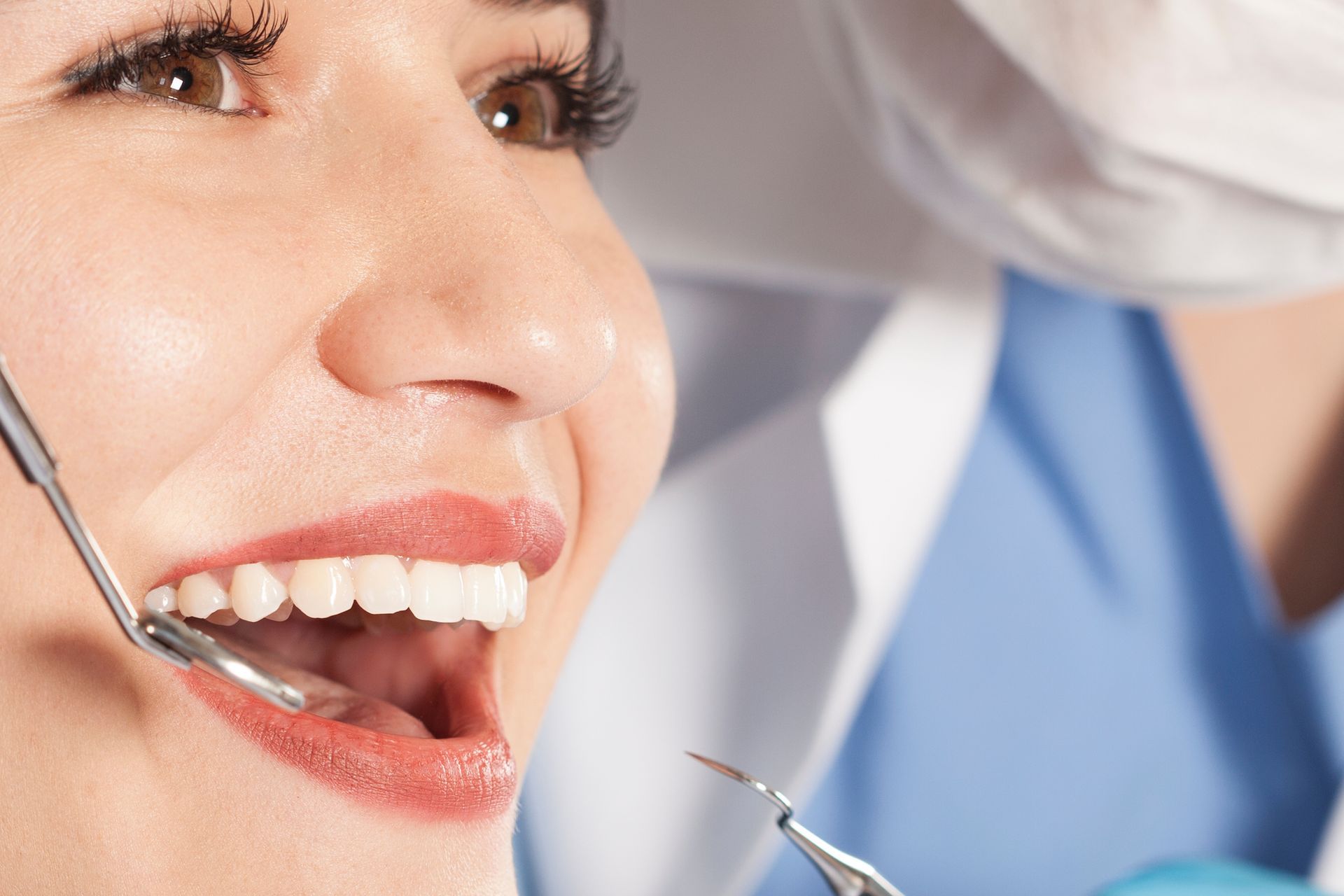
Veneers or whitening? Prairie Point Dental, your cosmetic dentist in Aurora, IL, can help. Call (630) 820-2020 to request a free consultation today!

Wondering what a cosmetic dentist in Aurora, IL, can do for your smile? Prairie Point Dental explains veneers, whitening, and Invisalign. Click to learn more.

Summer Smile Makeover Tips for Weddings, Vacations & Family Photos

As winter dies down and spring approaches, many of us start thinking about cleaning, organizing, refreshing our surroundings. While you’re tackling your spring cleaning list, include your smile, too! March is the perfect time to schedule your spring dental cleaning, and make sure your oral health is on the right track. At our Aurora family dental office, we often see patients who have fallen behind on preventive care during the busy winter holidays. Patients also refrain from routine visits if their dental benefits have maxxed out, and could be long overdue. It's very important to get back on that horse, and come back in to resume care, especially as a new year begins, and benefits renew. Spring Is a Great Time for Preventive Dental Care Regular dental visits are one of the best ways to protect your oral health. Even if you're a star toothbrusher, and even if you floss and use that waterpik daily, tartar slowly but surely builds up over time, returning inflammation to your gums and encouraging cavities. Getting a professional cleaning is one of the only ways to fully eliminate this kind of buildup! Small Problems Are Easier to Treat Early One of the most biggest benefits of routine dental exams and cleanings is early detection . Small cavities, fractures, gingival disease, orthodontic relapse - all are relatively painless issues that can turn very bad in the future, needing costly invasive treatments. Catching them early means that treatment is usually simpler, faster, and much more affordable. Refresh Your Smile for the Season Want to start a personal improvement project? Spring is the best time! Embrace the "new year, new you" that the fresh spring breeze brings in. Your insurance benefits have probably renewed, too! This time of year is excellent for getting your whitening consultation, an invisalign workup, or having that conversation with the doctor about any cosmetic solutions that have been sticking in the back of your brain since last winter. You have a long road ahead this year - embrace the journey! Dr. Kat Janda and Dr. James Janda are both very good at presenting customized treatment options for every concern. Our patients receive full consultation and all options are covered, leading patients to pick the plan that fits just right for their needs! If you find yourself overdue for your routine dental cleaning and examination, or wish to get a cosmetic dental journey started with us - give us a call today! Our team is proud to provide comprehensive and compassionate family dentistry in the Fox Valley area, caring for patients of all ages in a fresh, clean, welcoming environment. 📞 Call our office today at 630-820-2020 - we'd love to welcome you to your new dental home!

A new year is the perfect time to reset habits—and your smile should be part of your health goals. Oral health plays a major role in overall wellness, confidence, and quality of life. Small, consistent changes can make a meaningful difference throughout the year. Why Oral Health Matters Healthy teeth and gums support more than just a nice smile. Gum disease has been linked to heart disease, diabetes, and chronic inflammation. Dental problems can also affect eating, sleeping, speaking, self-esteem, and daily comfort. Preventive dental care helps protect both your appearance as well as your overall health. Easy Dental Resolutions to Keep This Year 1. Stay Consistent with Daily Home Care Brush twice daily with fluoride toothpaste and floss once a day. If traditional floss is challenging, floss picks, interdental brushes, or water flossers can help you stay consistent. 2. Keep your Routine Dental Visits Regular dental exams and cleanings allow your dentist to detect cavities, gum disease, and bite issues early—before they become more complex or costly. 3. Don’t Ignore Early Warning Signs Tooth sensitivity, bleeding gums, jaw pain, or chipped teeth shouldn’t be ignored. Addressing small concerns early often leads to simpler, more conservative treatment. 4. Be Mindful of Daily Wear and Tear Sugary snacks, acidic drinks, and clenching or grinding can all impact your teeth. Moderation, protective appliances, and guidance from your dentist can help preserve your smile for years to come. 5. Consider Improving Your Smile’s Appearance If you’ve been thinking about teeth whitening, Invisalign®, or repairing worn or damaged teeth, the new year is a great time to explore your options. A confident smile often boosts both personal and professional confidence. Make This the Year You Prioritize Your Smile If it’s been a while since your last dental visit—or if you’re looking for a new dentist—now is a great time to get started. Our office welcomes new patients of all ages and offers comprehensive general dentistry, preventive care, cosmetic services, and Invisalign® clear aligners . Whether your goal is better oral health, straighter teeth, or a brighter smile, our team is here to help you create a personalized plan that fits your needs and budget. Schedule your appointment today and make your smile part of your New Year’s resolution!

December brings frosty mornings and chilly winds. Many of us experience an unwelcome seasonal companion: sensitive teeth. That sharp, sudden pain (zing!) when breathing in cold air or sipping an iced peppermint mocha—it's your teeth telling you something needs attention. What Causes Cold Sensitivity? Tooth sensitivity to cold temperatures mostly happens when the inner layer of the tooth - dentin - gets exposed to the outside environment. Dentin is more porous compared to enamel - so sensations have a more direct route to the tooth's inner nerve, uninsulated. Here are the most common culprits: Enamel wear - Years of acidic food, aggressive brushing, or teeth grinding can gradually erode your enamel, the tooth's protective outer shell. Once this barrier thins, temperature changes reach the sensitive dentin underneath. Receding Gums - When gum tissue pulls back from the tooth, it exposes the root surface, which lacks the protective enamel coating. This is increasingly common as we age and can be accelerated by gum disease (periodontitis) or by brushing too hard (abrasion). Cavities - Even small areas of decay can create pathways for cold sensations to reach the tooth's nerve center, causing discomfort. Cracked or Chipped Teeth - A tiny crack can be enough to allow cold air or liquids to penetrate deeper into the tooth structure, triggering sensitivity. Recent Dental Work - It's normal to experience temporary sensitivity after fillings, crowns, or teeth whitening treatments. This typically subsides within a few weeks. (If it doesn't, definitely contact your dentist.) Whitening Treatments - It's important to note that whitening treatments do not harm your enamel. That said, it does lower the tooth's threshold for sensitivity, especially if dentin is exposed anywhere. Finding Relief : Good news - Most tooth sensitivity can be managed effectively with these tips : Switch to Sensitivity Toothpaste (Sensodyne) - Products containing potassium nitrate or stannous fluoride work by blocking the tiny tubules in your dentin that transmit pain signals. Use it consistently for at least two weeks to see results. Use an Extra-Soft Toothbrush - Gentle, circular motions protect your enamel and gums better than aggressive scrubbing. Think massage, not scrape. Electric toothbrushes usually have extra-soft "sensitivity" heads you can work with as well. Reduce/Neutralize Acids - Limit acidic foods and beverages like citrus, soda, and wine that can erode enamel. When you do indulge, rinse your mouth with water afterward. Don't immediately brush your teeth after consuming acidic foods! Consider a Mouthguard - If you grind your teeth at night, a custom mouthguard can prevent further enamel wear. Try Fluoride Treatments - Your dentist can apply professional-strength fluoride varnishes to strengthen enamel and reduce sensitivity. Fluoride also plugs those tiny tubules that can cause dentin sensitivity. Stop Whitening - Whitening-related cold hypersensitivity is very temporary. Once your cease using your whitening gel or trays, your teeth should recover within 48 hours. When You Should See Your Dentist : While occasional cold sensitivity is common, persistent or severe pain warrants a dental visit. Your dentist can identify whether the issue is simply surface-level sensitivity, or a sign that something more serious needs treatment. Don't let sensitive teeth keep you from enjoying winter's pleasures. With the right care and attention, you can drink that iced latte and breathe in the crisp December air without wincing. Happy Holidays!

Halloween is a favorite holiday for many families—costumes, fun, and of course, candy! But with all those sweet treats comes a higher risk for cavities and toothaches. At Prairie Point Dental, we want to help your kids enjoy the festivities while still protecting their teeth. 1. Choose “Tooth-Friendly” Candy Not all candy is created equal. Sticky or gummy candies cling to teeth and feed cavity-causing bacteria. Instead, opt for chocolate (which melts and rinses away easier) or sugar-free gum. Hard candies that stay in the mouth for long periods should also be avoided. 2. Set a Candy-Eating Time Instead of snacking on sweets throughout the day, encourage kids to enjoy their candy after a meal when saliva production is already high—this helps wash away sugar and food particles. Rinsing with water or brushing afterward can reduce acid buildup. 3. Reinforce Brushing & Flossing After Halloween night, remind kids of the importance of brushing twice a day and flossing. You might even let them pick out a fun new toothbrush to keep the excitement going. If it's been more than six months since their last checkup, now's a great time to schedule a cleaning. 4. Consider a Post-Halloween Dental Visit If you notice increased sensitivity, gum irritation, or toothaches, don't wait until it worsens. Our team is here to evaluate and treat any issues early. We also provide cosmetic whitening services if parents want to refresh their smile post-Halloween season! Let your family enjoy the spooky season without scary dental surprises. Prairie Point Dental is here to help with friendly, expert care every step of the way.

As schedules fill up with homework, sports, and after-school activities, dental checkups often fall to the wayside. But maintaining routine visits for every family member—kids and adults alike—can help prevent larger problems down the road. At our practice, we strive to make full-family dental care easy, convenient, and as hassle-free as possible. So, that being said - why should you re-prioritize your child's routine dental exams, when school is just around the corner? 1. Prevention is Simpler (and Cheaper!) Than Treatment Seeing the dentist every six months can catch early signs of cavities, gum issues, or misaligned teeth—long before they become painful or costly. Children especially benefit from early detection - small baby teeth with larger pulp chambers can become toothaches quickly, making school days difficult for the kids to sit through. Also - checkups and cleanings usually bear smaller fees than multiple fillings or pulpotomies, making it a much more appealing choice for your budget. 2. Identify Orthodontic Needs While Children are Still Growing For adolescents, the school year is a smart time to start thinking about orthodontic care. As kids grow up, their baby teeth give way to adult dentition that can become crowded due to not having enough room. To make room, orthodontic treatment can be recommended, and the younger the patient is when their needs are identified, the better the treatment outcome will be (bone is much more flexible and receptive to changes when the child is still growing). We shouldn't miss out on finding those needs early! 3. Reduces Dental Anxiety by Familiarizing Children with a Dental Environment Having a routine, uneventful dental exam and cleaning is a great way for children to build a sense of safety and assuredness in medical environments, and can greatly reduce anxiety in the future, should they ever need dental treatment. Our providers are great with kids of all ages , and we always strive to deliver a calm, clean, and kind environment that rewards children for showing independence and bravery. Parents can model for their children by coming in routinely to their own visits, and this helps kids grow into responsible patients as adults. Are you or your children due for a checkup? Call ahead and book a visit for the whole family at 630-820-2020 .
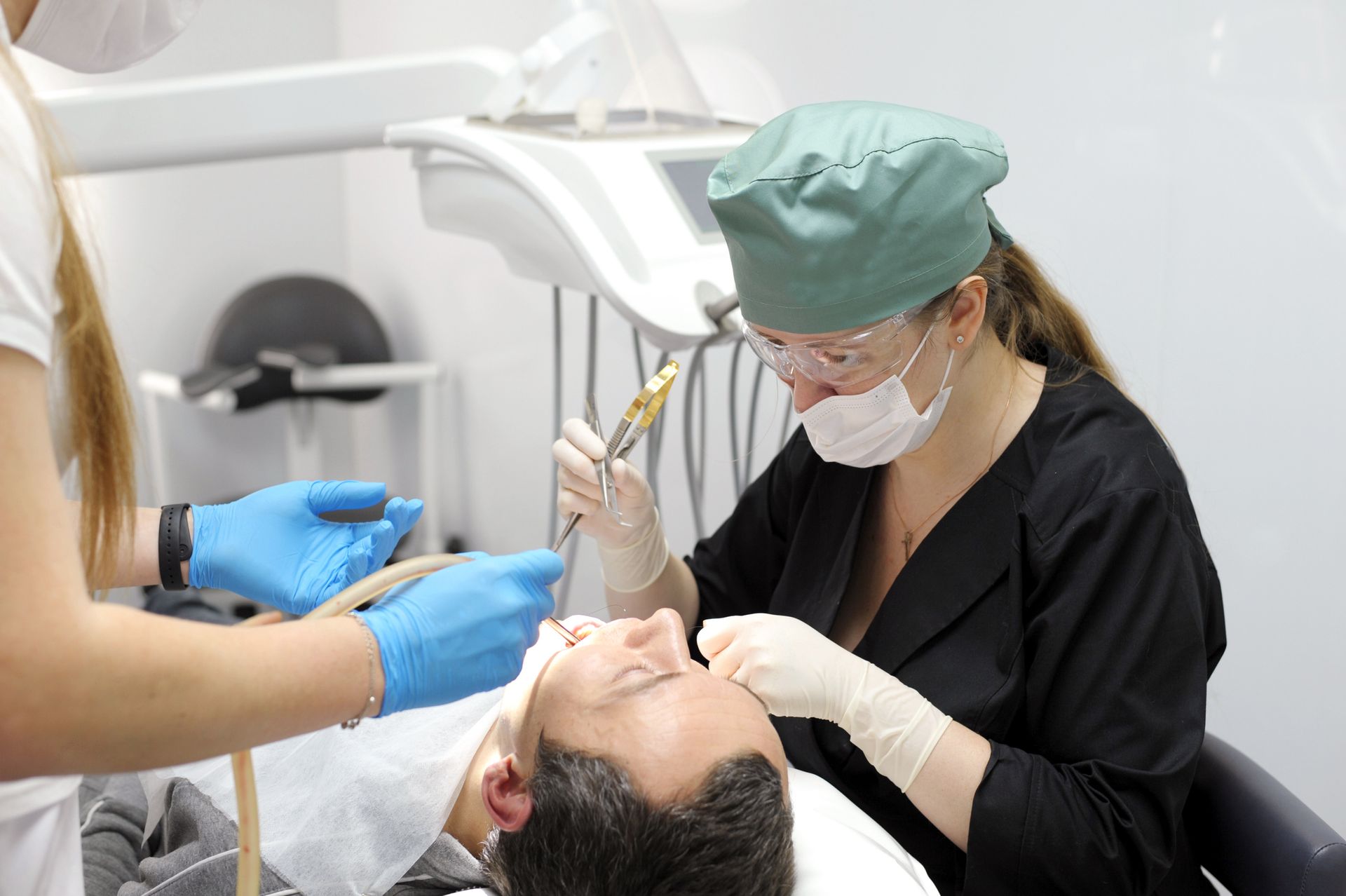
Learn why regular dental check-ups are vital for comprehensive dental care in Aurora, IL. Contact Prairie Point Dental for expert care and a healthy smile.